Recover More From Hydraulically Challenged Wells and Extend Well Life
The Smart Well Optimization Tool (SWOT)™ is an intelligent downhole system engineered to maximize production from mature, hydraulically challenged wells and unlock previously unrecoverable reserves.
By combining real-time reservoir data with precision fluid management, SWOT™ enables operators to extend the productive life of existing assets and optimize output with minimal intervention.
Advantages & Features
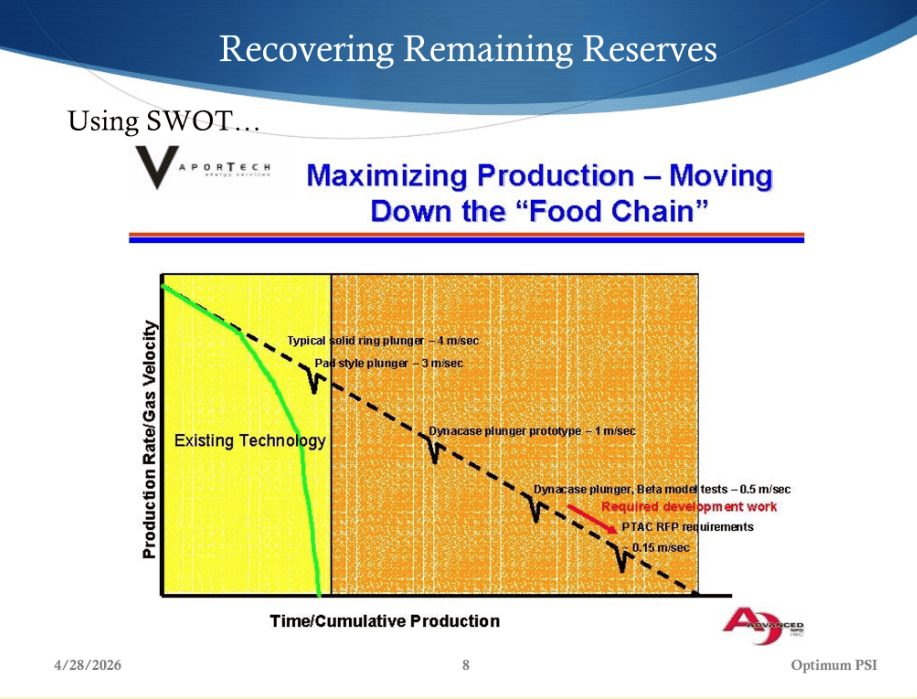
- Intelligent downhole pumping system with real-time sensor feedback
- Maximum fluid production per well depends on casing size.
- Recovers reserves left behind by conventional artificial lift systems
- Operates without relying on reservoir energy for deliquification
- Reduces bottomhole pressure to maximize recovery potential
- Closed-loop gas system where exhaust gas is recycled, recompressed, and reused
- Minimal mechanical complexity with only two moving parts
- Estimated mean time between failure (MTBF): 7+ years
- Continuous monitoring of bottomhole pressure, fluid levels, and production rates
Key Benefits
Increase Recoverable Reserves
- Unlock trapped hydrocarbons that conventional systems leave behind to extend the value of mature wells.
Boost Daily Production
- Efficiently lift sand, silt, oil, and water to maintain optimized flow rates.
- Does not gas lock
- Produces up to two tons of sand per day
- Supports pigging pipelines when surface producing pressures are too low, causing pigs to get stuck and curtailing productive capacity for a group of wells.
- SWOT pumps fluids and pigs to the central pig receivers on any given gathering system using external gas pressure instead of reservoir pressure.
Reduce Operating Costs
- Low-maintenance design and long equipment lifespans minimize downtime and service requirements.
Real-Time Reservoir Intelligence
- Access live pressure, fluid level, and production data to support data-driven decisions.
Minimize Surface Footprint
- Downhole separation of gas and fluids reduces surface infrastructure requirements at a wellsite.
Improve Field Efficiency
- Remote monitoring enables centralized well management while reducing operator site visits.
Product Specifications
Fluid Production Capacity:
- Up to 50 bfpd per well for 4.5-inch casing at 1,200 feet.
- Fluid production capacity depends on the size of the casing available. The larger the casing, the more fluid lifting capacity.
Gas Consumption:
- Depends on the well’s depth.
Operating Depth Example:
- ~3,500 feet is optimum.
- It can be used at deeper depths; however, it requires more gas at a higher pressure.
Pump Mechanism:
- Gas-driven compression.
Components:
- Downhole separator, umbilical coil, wellhead system, RTU & MTU monitoring
Separation:
- Downhole gas and fluid separation
Monitoring:
- Real-time digital data transmission and analytics
Patent Status:
- Patented in the United States and Canada
Product Resources
How It Works
Intelligent Fluid Detection & Intake
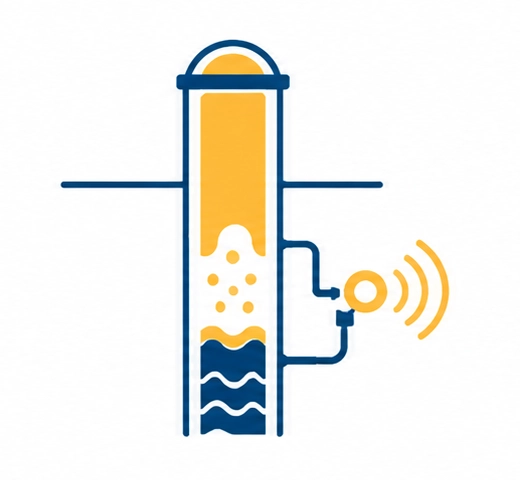
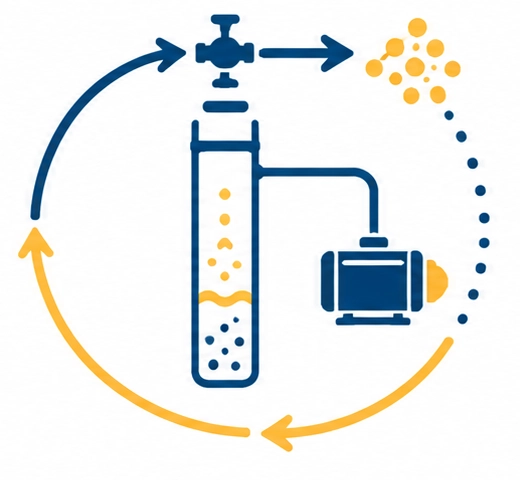
Reservoir fluids such as oil, water, and silt enter the downhole separator. Integrated probes then monitor fluid levels in real time, initiating the system only when the chamber reaches optimal capacity.
Gas-Powered Displacement Cycle
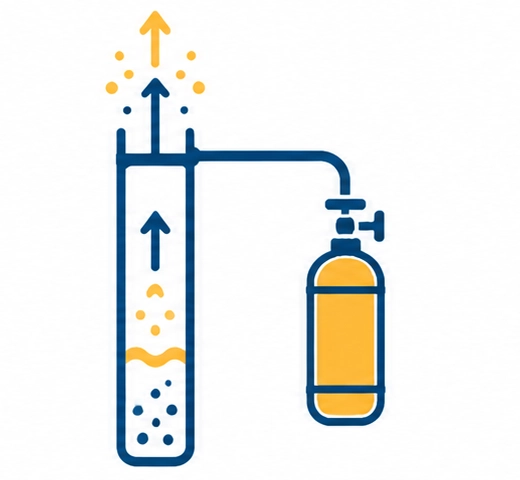
Pressurized gas is injected downhole to displace collected fluids to the surface through the effluent line. This process is powered by an external gas source, not the reservoir, preserving reservoir pressure while maximizing lift efficiency.
Continuous Cycling & Gas Recovery
Once fluids are expelled, the system vents gas back into the gathering system and resets. Exhaust gas is captured, recompressed, and reused in a closed-loop cycle, improving efficiency while reservoir gas continues to flow uninterrupted to the surface. Surface methane emissions are not an issue.
Related Products
Sonic Stimulation Tool (SST)
A high-impact downhole stimulation solution that improves reservoir connectivity and fluid movement by applying controlled sonic energy directly across the entire perforated section.
SST prepares the well by clearing restrictions and enhancing flow, allowing SWOT™ to operate at maximum efficiency by lifting more fluids and recovering more reserves over time.
Wellsite Systems (Engineered Protection)
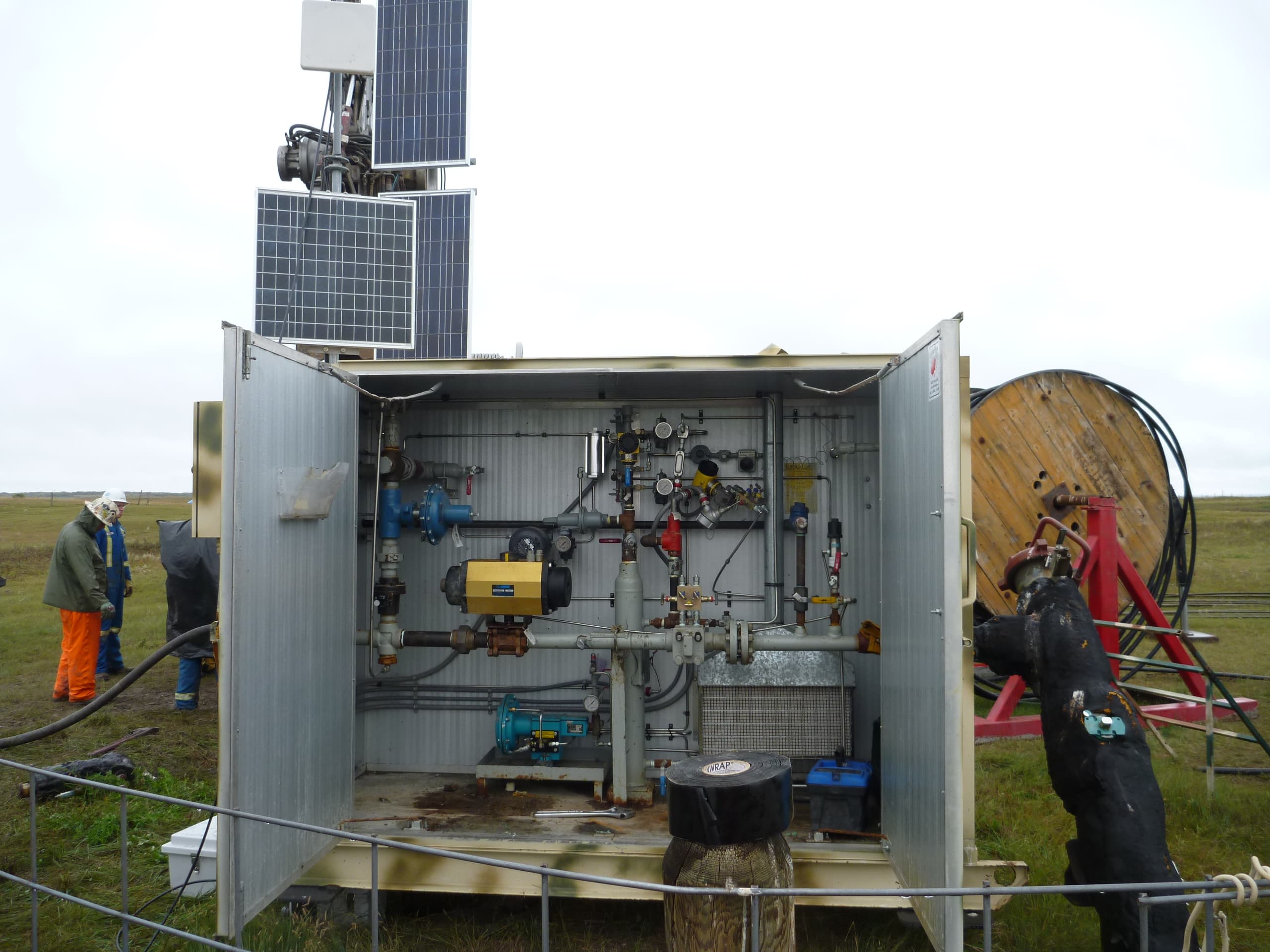
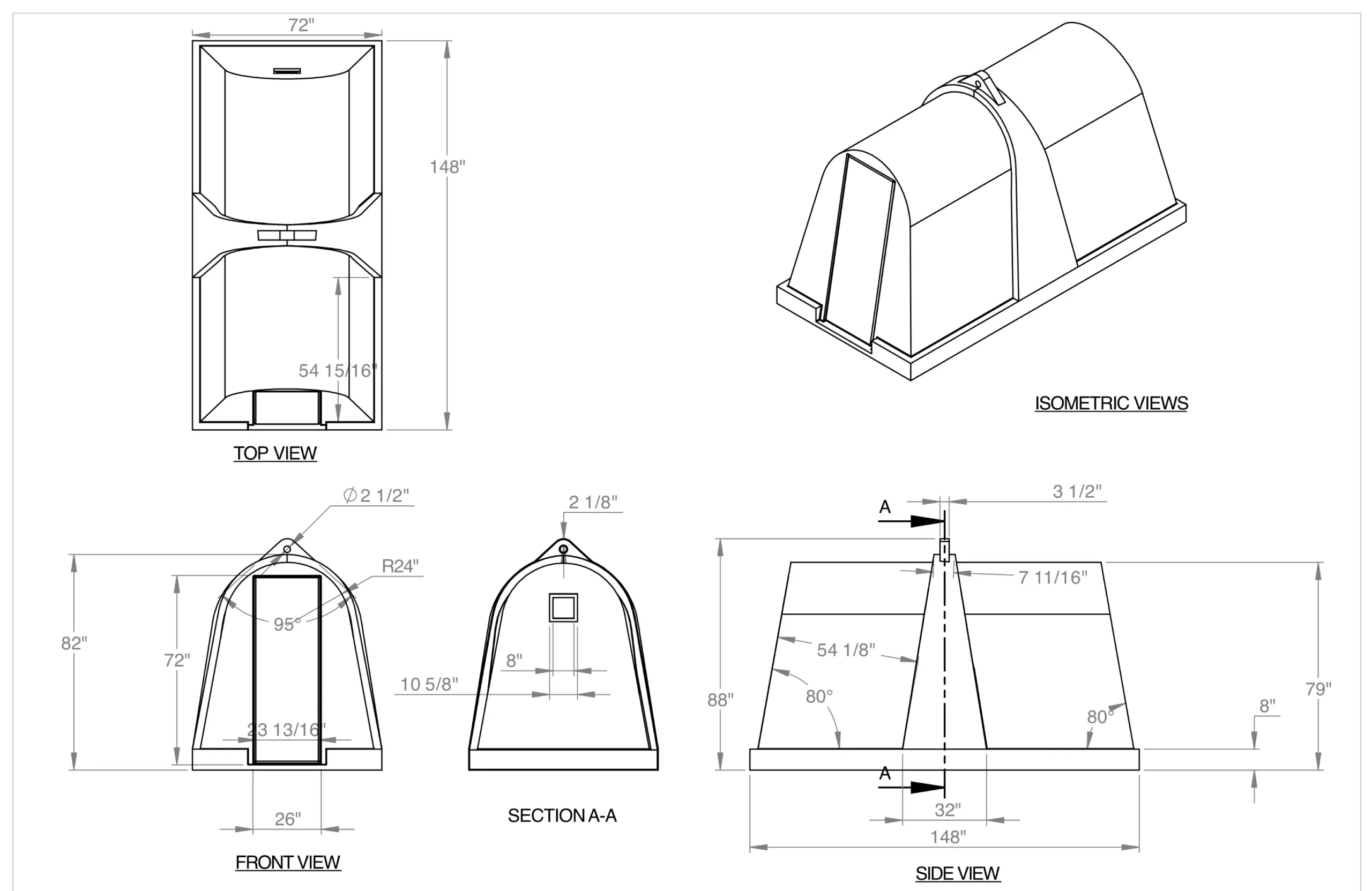
Optimum Petroleum’s wellhead shelter is a foundational component of the overall production system, designed to house, protect, and stabilize critical surface equipment in all operating conditions. More than environmental protection, it creates the controlled conditions required for advanced wellsite technologies to perform reliably.
SWOT™ tool operational systems require an environment to maintain electronic integrity and consistent operation. The shelter protects critical components from temperature extremes, animal damage from cattle/pests and environmental stress, ensuring reliable performance in demanding field conditions. The shelter enables this by protecting instrumentation, electronics, and the wellhead from extreme cold, heat, and exposure, ensuring uninterrupted operation and reliable data acquisition.
In cold-weather environments, the shelter helps retain and optimize reservoir geothermal energy, minimize the use of freezing suppression chemicals such as methanol, and keep systems functional. Therefore, on-time production is optimized. In warmer climates, configurable design elements, including reflective exterior finishes, help manage internal temperatures and prevent equipment stress or failure.
This is not an optional add-on. The wellhead shelter is an essential infrastructure that directly supports the performance, reliability, and longevity of SWOT™ tools while enabling centralized monitoring and streamlined wellsite operations.